
Fully enclosed, cordless mechanical lysis for field or lab.
Shop Wireless X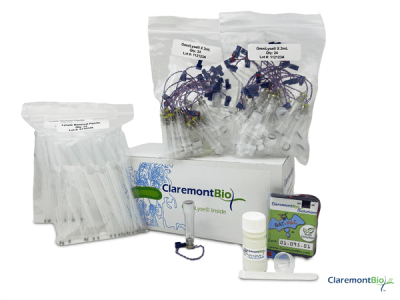

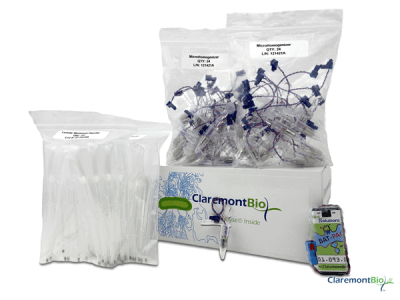
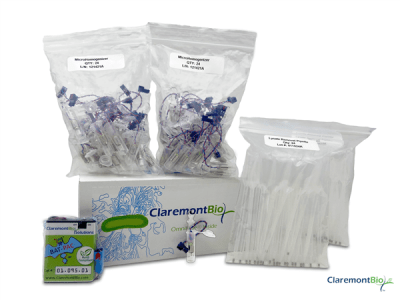
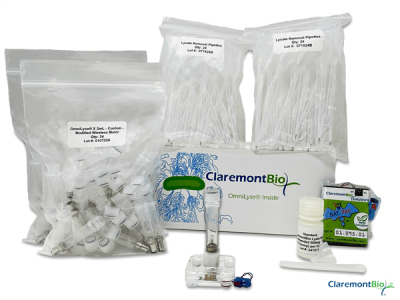


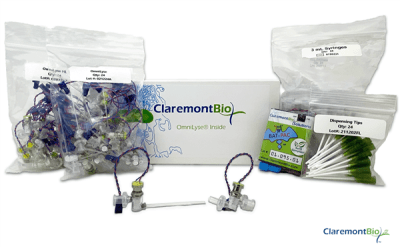
The OmniLyse® Combo Kit includes 24 Standard and 24 High Load lysis devices for efficient, chemical-free cell disruption, ideal for a wide range of sample volumes and cell types.

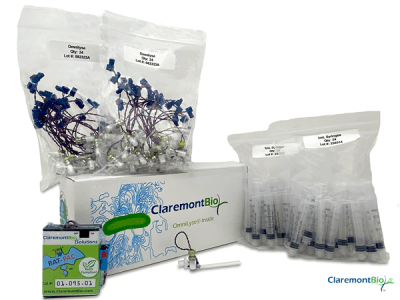
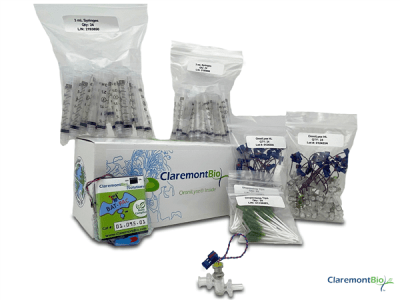

Discover the perfect lysis method for your application with our convenient assortment pack.
Your all-in-one solution for cell and tissue lysis.
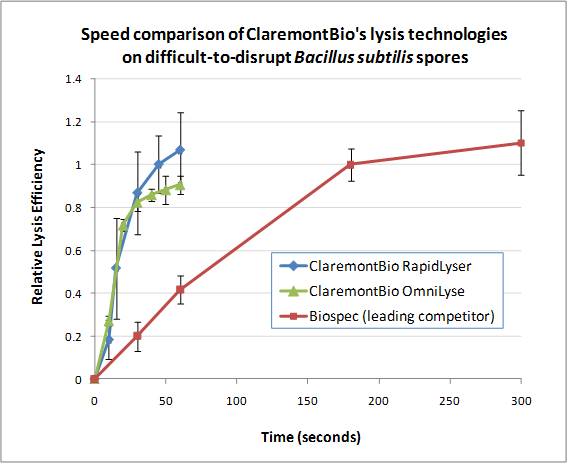
OmniLyse Inside is specifically engineered for reliable disruption of hard-to-lyse organisms, including fungi, yeast, gram-positive bacteria, and other structurally resilient microbial cells. These organisms often resist traditional lysis methods, leading to incomplete disruption and inconsistent downstream results.
By delivering rapid and consistent mechanical lysis, OmniLyse ensures efficient release of nucleic acids, improving the quality and reproducibility of DNA and RNA extraction workflows.
Standard chemical and enzymatic lysis approaches frequently struggle with tough cell walls and complex sample matrices. OmniLyse overcomes these limitations with a mechanical lysis method optimized for challenging organisms, providing uniform and reproducible results.
OmniLyse Inside is widely used in workflows where conventional lysis methods fall short, including:
For hard-to-lyse organisms, mechanical disruption provides a more reliable solution than chemical lysis alone. OmniLyse delivers consistent shear forces to break down even the most resilient cell structures, enabling dependable results across a wide range of organisms and sample types.
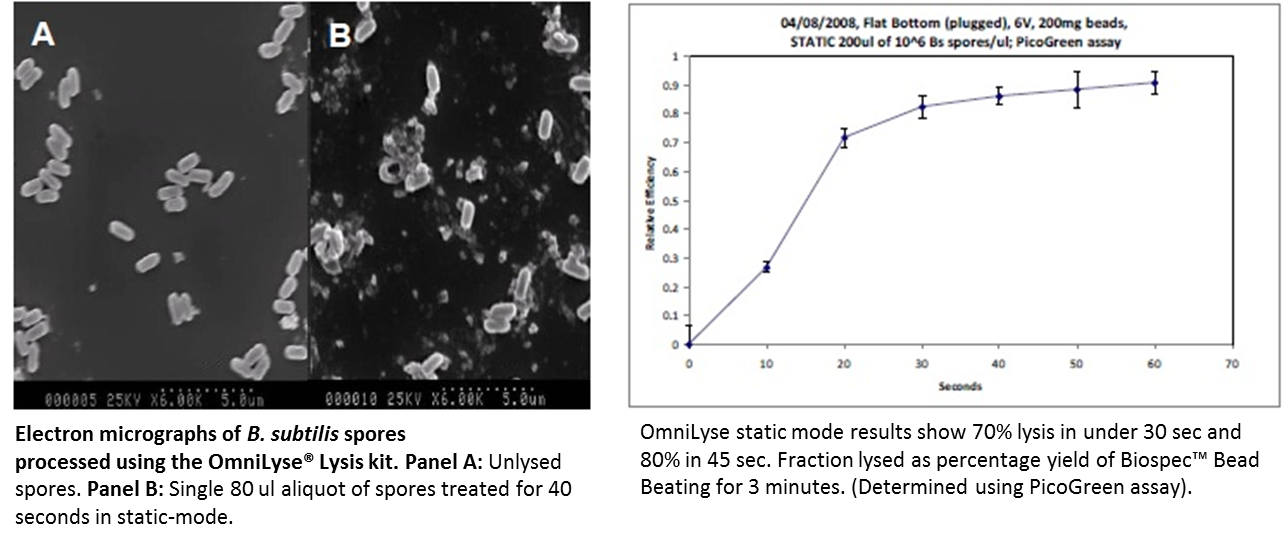
OmniLyse technology has been validated across a wide range of difficult organisms and complex matrices. For researchers working with fungi, spores, gram-positive bacteria, and other resistant cell types, OmniLyse provides a dependable, high-performance solution for efficient sample preparation.
OmniLyse technology and related extraction methods are protected by a robust portfolio of issued patents worldwide.
US 8,663,974 (issued Mar 4, 2014)
JP 5663311 (issued Dec 12, 2014)
JP 5711227 (issued Mar 13, 2015)
US 9,260,475 (issued Feb 16, 2016)
US 9,428,725 (issued Aug 30, 2016)
EP 2232259 (issued Oct 12, 2016)
JP 6040268 (issued Nov 11, 2016)
AU 2010266034 (issued Mar 30, 2017)
EP 2446047 (issued Oct 18, 2017)
US 9,873,860 (issued Jan 23, 2018)
HK 1171052 (issued Aug 3, 2018)
US D829,339 (issued Sep 25, 2018)
US 10,428,301 (issued Oct 1, 2019)
US 10,801,001 (issued Oct 13, 2020)
US 11,286,447 (issued Mar 29, 2022)
US 11,286,447 (issued Oct 18, 2022)
US 11,479,747 (issued Oct 25, 2022)
CA 2,711,854 (issued Mar 21, 2023)
Additional US and international patents pending.
OmniLyse technology has been validated across a wide range of peer-reviewed publications, demonstrating consistent, high-efficiency lysis of hard-to-lyse organisms including fungi, gram-positive bacteria, and spores.




 Near-Quantitative Sampling of Genomic DNA from Various Food-Borne Eubacteria
 Bead Beating-Based Continuous Flow Cell Lysis in a Microfluidic Device
 Aminoglycoside-modifying Enzymes Determine the Innate Susceptibility to Aminoglycoside Antibiotics in Rapidly Growing Mycobacteria
 Variability in DNA Polymerase Efficiency: Effects of Random Error, DNA Extraction Method, and Isolate Type
 Solution-based Circuits Enable Rapid and Multiplexed Pathogen Detection
 Proximal Bacterial Lysis and Detection in Nanoliter Wells Using Electrochemistry
 Optimized Templates for Bottom-Up Growth of High-Performance Integrated Biomolecular Detectors
 Ipso-Hydroxylation and Subsequent Fragmentation: a Novel Microbial Strategy To Eliminate Sulfonamide Antibiotics
 Tuning the Bacterial Detection Sensitivity of Nanostructured Microelectrodes
 Point of Care Diagnostics: Status and Future
 Mechanical Disruption of Lysis-Resistant Bacterial Cells by Use of a Miniature, Low-Power, Disposable Device Point-of-Care Nucleic Acid Testing For Infectious Diseases
 Point-of-Care Nucleic Acid Testing For Infectious Diseases
 Continuous-Flow, Rapid Lysis Devices for Biodefense Nucleic Acid Diagnostic Systems
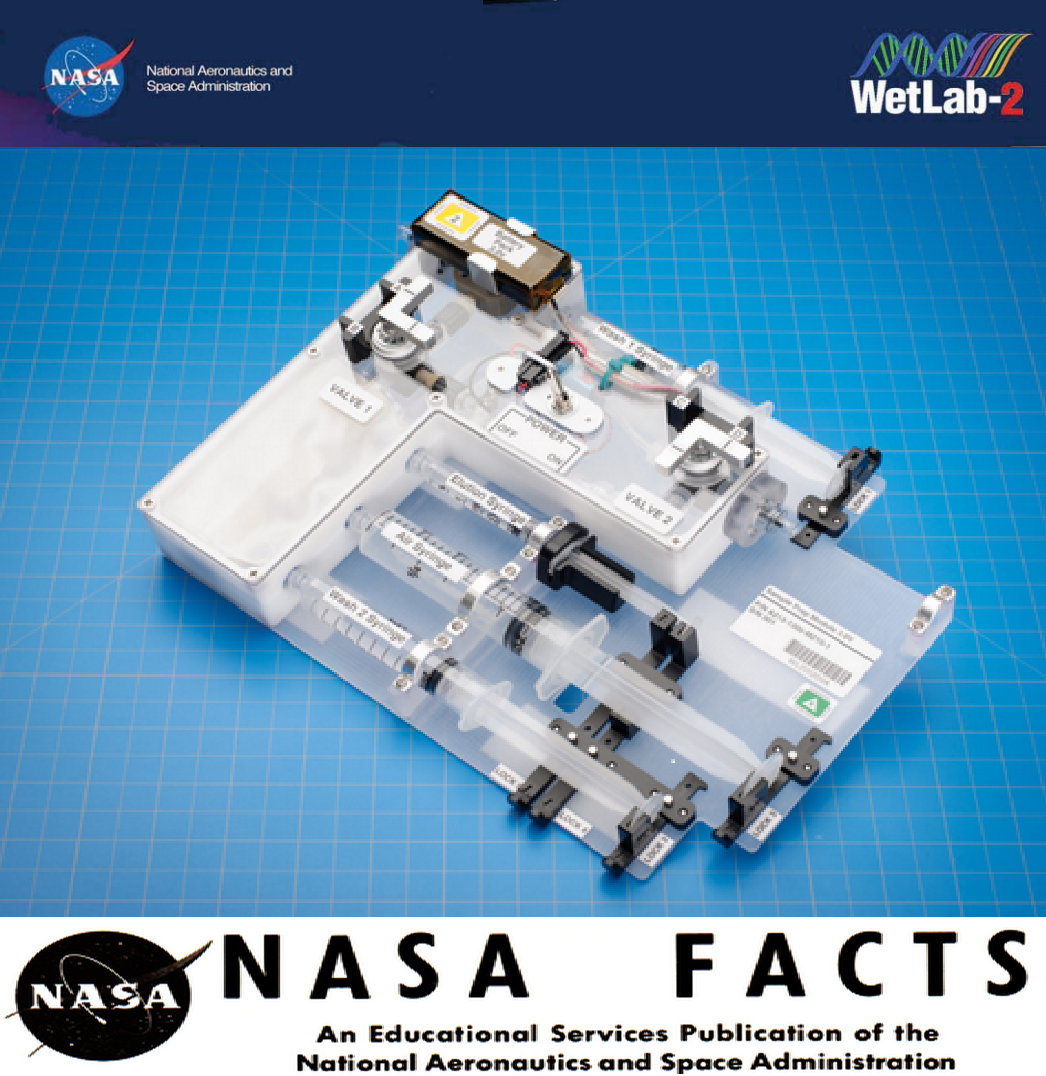 WetLab-2: Quantitative PCR Tools for Spaceflight Studies of Gene Expression aboard the International Space Station
 Ch 8: Microfluidic Diagnostics for Low-resource Settings: Improving Global Health without a Power Cord
 Development Status of the WetLab-2 Project: New Tools for On-orbit Real-time Quantitative Gene Expression
 Low-Cost Microdevices for Point-of-Care Testing
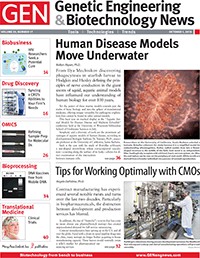 Refining Sample Prep for Molecular DX
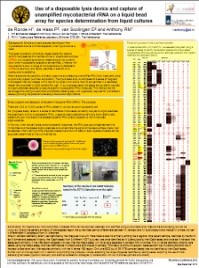 Use of a Disposable Lysis Device and Capture of Unamplified mycobacterial rRNA on A Liquid Bead Array for Species Determination from Liquid Cultures
 Real-Time Sample Prep on the Horizon
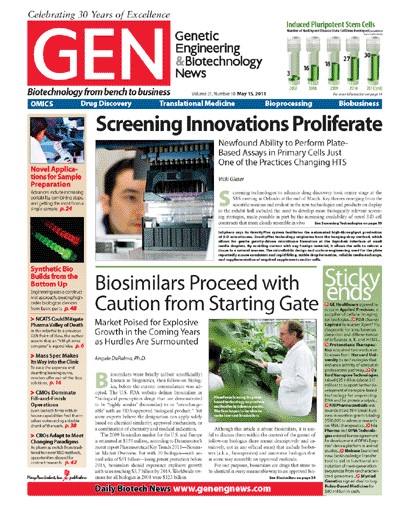 Novel Applications for Sample Preparation: Tool Providers Launch Innovative Products to Meet Researchers' Protein-Related Demands